Ongoing Impact of El Niño on India’s Socio-Epidemiological Landscape: Climate-Induced Health Vulnerabilities, Resource Scarcity, and Community Resilience
Keywords:
- El Niño, climate variability, socio-epidemiology, health vulnerability, resource scarcity
Abstract
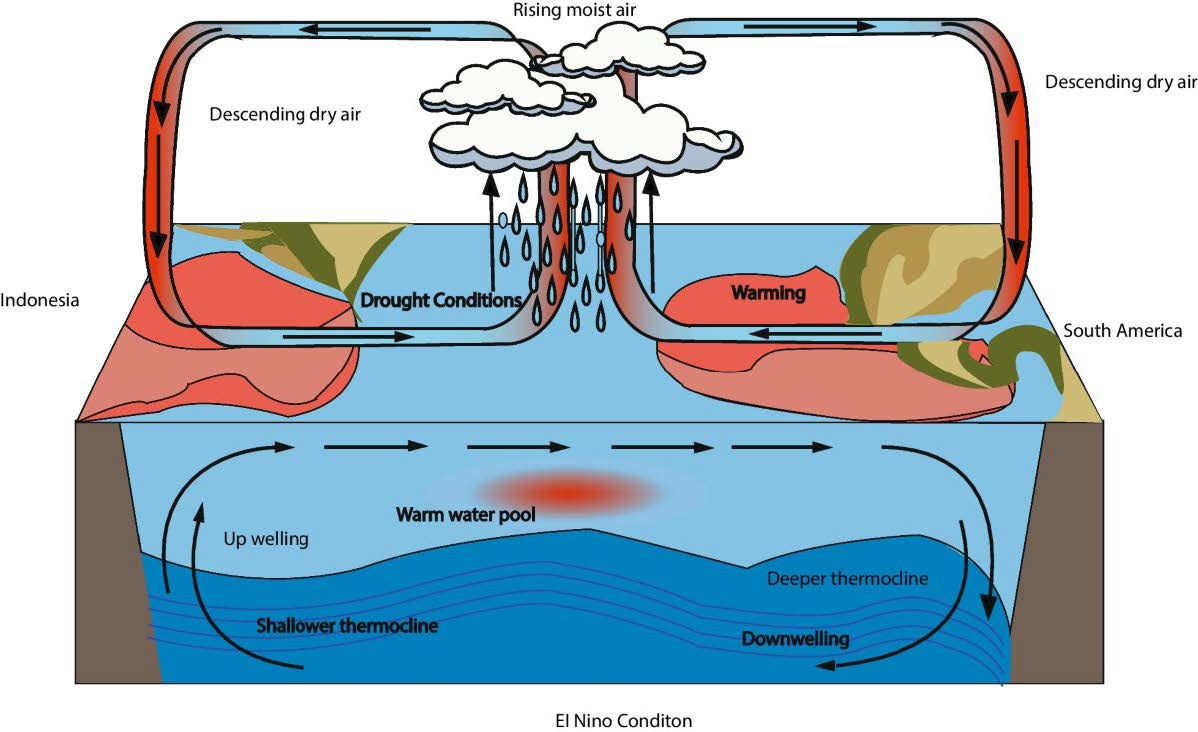
El Niño, recurring ocean-atmospheric climatic events associated with abnormal warming of the sea surface temperatures in the equatorial Pacific Ocean, are critical drivers of global and regional climate, including the Indian monsoon. This review presents a critical appraisal of its current socio-epidemiological impacts in India, with a focus on climate-induced health risks, resource constraints and adaptive capacities. It integrates knowledge on El Niño-related climatic disruptions and their downstream effects on disease burden, malnutrition and socio-economic burden, along with community-based and institutional adaptation. The study suggests that El Niño-related climate extremes - such as extreme heatwaves, droughts and erratic precipitation patterns - lead to an increase in the incidence of vector-borne and water-borne diseases, along with malnutrition. In addition, water and food scarcity exacerbates socio-economic disparities, particularly among rural and urban slum dwellers, women and children. While progress has been made in climate-proofing agriculture, water management and public health, there remain significant gaps in integrated climate-health research, policy translation at the local level, and epidemiological surveillance. The review suggests a multi-disciplinary and holistic approach is needed to curb the socio-epidemiological effects of El Niño in India.