Curriculum Mapping for Integration of Nep-25 into Undergraduate Programs
DOI:
https://doi.org/10.64474/3107-6351.Vol1.Issue3.8Keywords:
- NEP‑25, Curriculum Mapping, Competency-Based Education, Veterinary Education, Animal Welfare, Technology-Enhanced Learning, Virtual Laboratories, Animal Science
Abstract
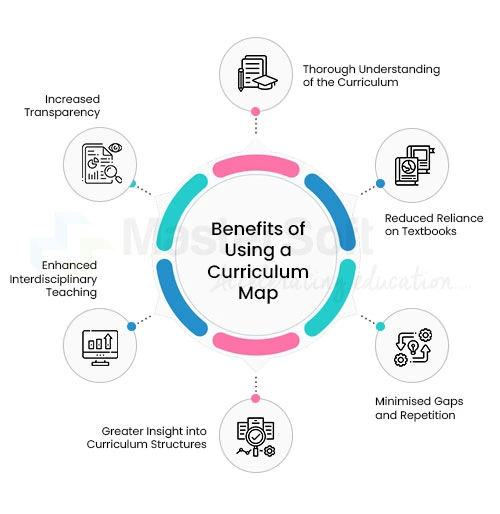
This review examines how NEP 25 principles can be incorporated into undergraduate animal programs, especially veterinary, animal science and zoology programs. It shows the value of curriculum mapping in correlating courses, assessments, and learning outcomes with competency-based, outcome-driven education, with international standards, e.g. WOAH Day -1 competencies. Curriculum renewal through the use of faculty, students, and instructional experts has been found to promote both the coherence of courses and the recognition of redundancies and gaps, as well as the consistency between learning goals and evaluations. The incorporation of animal welfare, ethics, law, and underlying sciences and the application of technology-mediated learning and virtual laboratories, which promote flexible, experiential, and student-centered learning, are also highlighted in the review. Though these methods enhance professional readiness, ethical foundation, and the capacity to be multidisciplinary, there are still weak points on the path to complete achievement of the Day-1 competencies, the ability to adapt global models to the local environment, and the alignment of assessment with the mapped learning outcomes. The research highlights the fact that there is a need to conduct future studies on measuring effectiveness of curricula, creating competency frameworks that are locally relevant, incorporating new pedagogical approaches, and utilizing technology in improving learning in undergraduate animal education.