Remote Laboratory Experiences in Life‑Science Teaching: Learning Gains and Accessibility
DOI:
https://doi.org/10.64474/3107-6351.Vol1.Issue3.7Keywords:
- Remote laboratories, Life-science education, Virtual simulations, VR/AR platforms, Cloud microscopy, Ethical compliance, Procedural skills, Accessibility.
Abstract
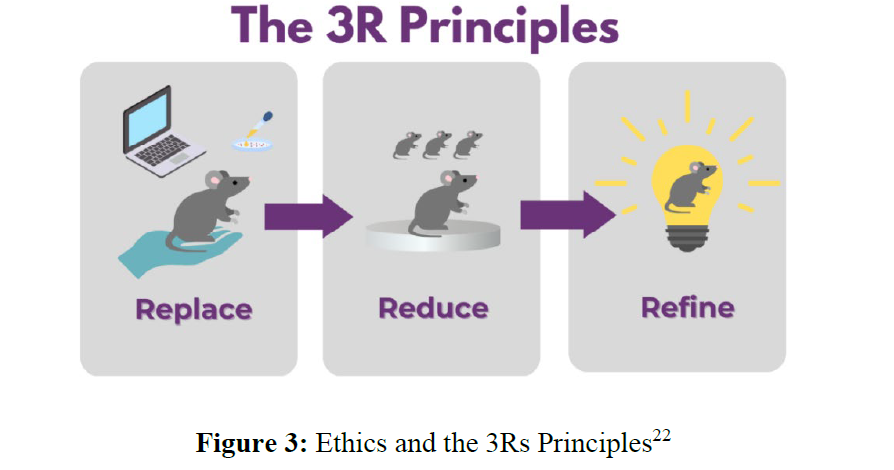
The remote laboratory has emerged as a ground-breaking technology in life-science education and offers relative solutions to the traditional hands-on laboratory by offering ethical, accessible and technology-driven alternatives to traditional hands-on laboratories. Through the features of virtual simulation, VR/AR, cloud-controlled microscopy, interactive modules, and live-streamed experiments all are able to use these platforms to participate in observational research, anatomy, behavioral studies, and procedural training without handling living animals. This type of experience improves conceptual knowledge, procedural proficiency and analytical ability as well as ethical consciousness without being inconsistent with the principles of rejplacement, reduction and refinement (3Rs). Remote behavioral experiments give the chance to manipulate environmental factors and to observe real-time responses of animals, which can train critical thinking and experimental design skills and train repeated practice and knowledge support with virtual dissection and 3-D anatomical models. The application of technological advancements such as gamification, adaptive learning as well as scenario-based modules impact engagement, motivation, and personal learning opportunities. Although it has some disadvantages like less tactile feedback, technical conditions, latency constraints, and lack of other collaborative functions, remote laboratories offer scalable, reproducible, and safe learning experiences to geographically dispersed or resource-constrained students. On the whole, these platforms present a sustainable, ethical, and practical remedy towards life-science education and can be improved by further developments in the form of more effective haptically enhanced feedbacks, collaborative applications and standardized evaluation systems to streamline the learning experience.